

Training
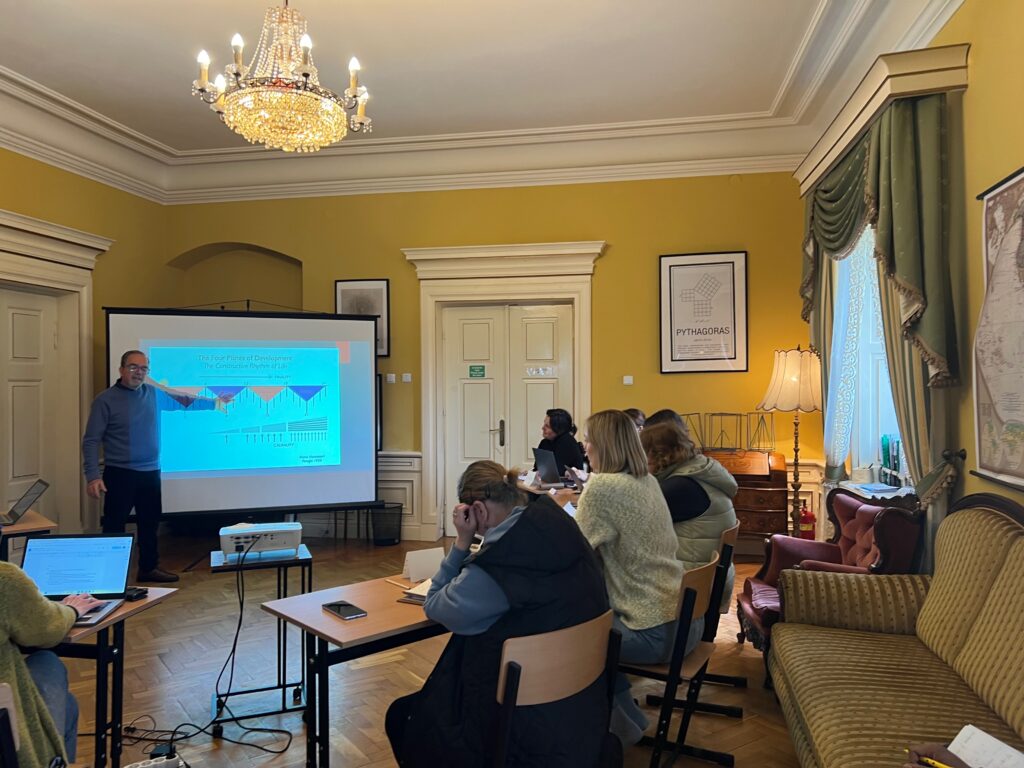
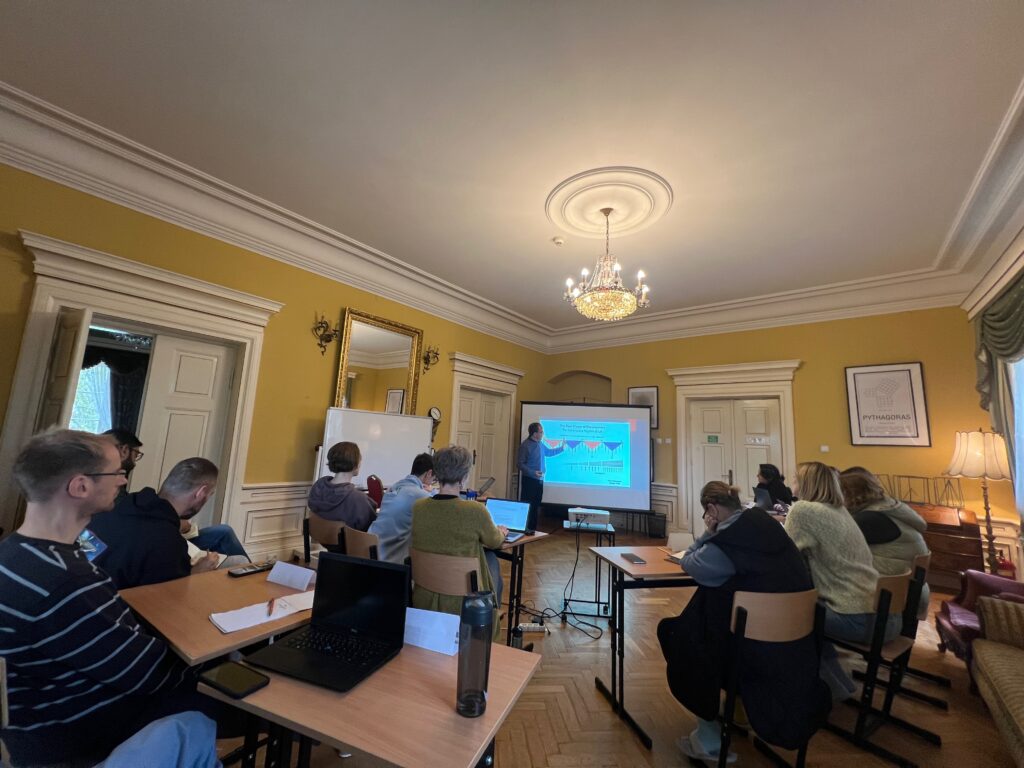
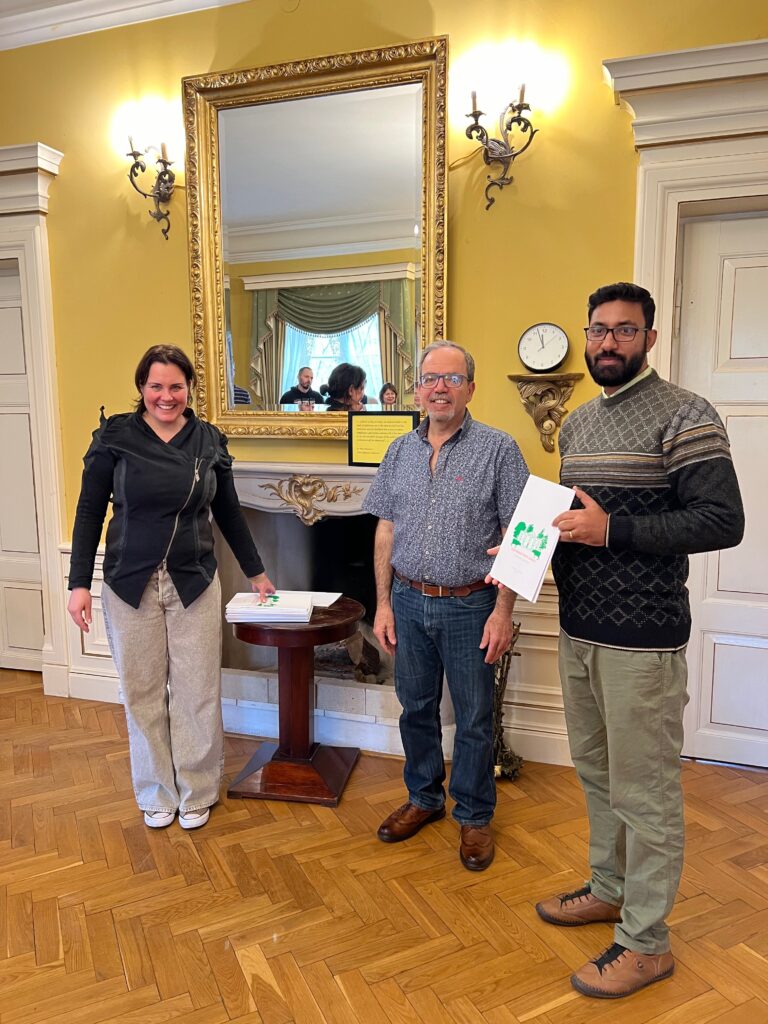
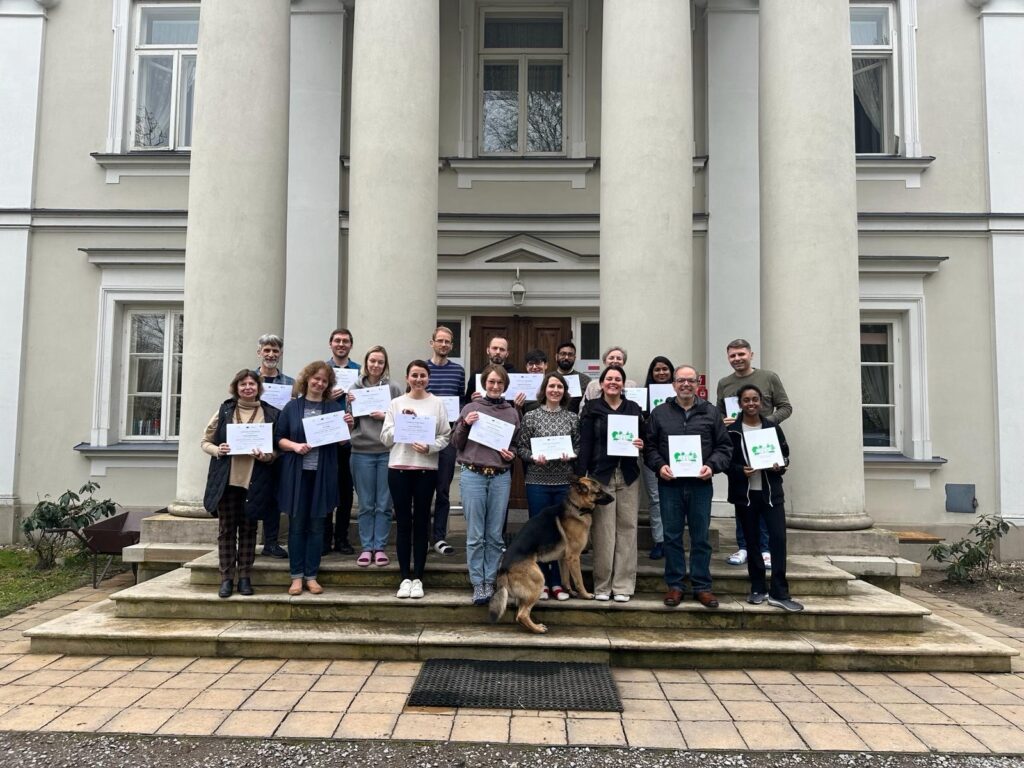
From 17 to 22 March 2023, an intensive Montessori teacher training took place at the Montessori Farm School in Białka. The workshops were led by Eduardo Talamás, an international AMI trainer specialising in adolescent education, and Małgosia Tarnowska, Director of Warsaw Montessori School and co-creator of the Erdkinder environment in Białka. The training gathered teachers from partner schools as well as staff from the Montessori Farm School in Białka. The event formed an integral part of the Montessori Erdkinder project, implemented under Erasmus+ Action 2, project number KA220-SCH-06406257. It was designed as a key component in preparing teachers to work with adolescents aged 12–18 according to the principles of Montessori Erdkinder by immersing them in the rhythm, structure, and community life that shape the everyday experience of students in Białka.
The training began with the group’s arrival and initial community-building activities, which form the foundation of work within an Erdkinder environment. From the very first day, participants took part in meal preparation, household duties, and farm work — essential elements in developing responsibility, cooperation, and independence, all central to Montessori adolescent education. Each day started with shared responsibilities, followed by theoretical and practical sessions that together provided a coherent and comprehensive picture of how an Erdkinder community operates.
Throughout the course, participants explored the foundations of Montessori pedagogy as they relate to adolescents, including the Four Planes of Development and the specific needs and characteristics of young people aged 12–18. A significant part of the discussions focused on the role of the adult as a guide and observer, as well as on creating a prepared environment that fosters autonomy and responsibility. Teachers also worked with tools central to adolescent Montessori practice, such as Study and Work Plans and Socratic seminars, and learned how to organise community life and the learning process in accordance with Montessori principles.
An important component of the programme was a field trip to the nearby town, during which participants conducted observations and gathered material for later presentations — mirroring the project-based learning experiences typical for adolescents in Montessori environments. After returning to the Farm School, the group summarised their findings, reflected on their observations, and developed presentations based on the themes explored during the outing.
Daily journaling, seminars, and reflective sessions helped participants integrate theoretical knowledge with practical experience and better understand how to support adolescents in their social and personal development. Shared meal preparation, gardening, and farm projects further allowed participants to experience firsthand the natural integration of work and study that defines the Erdkinder environment.
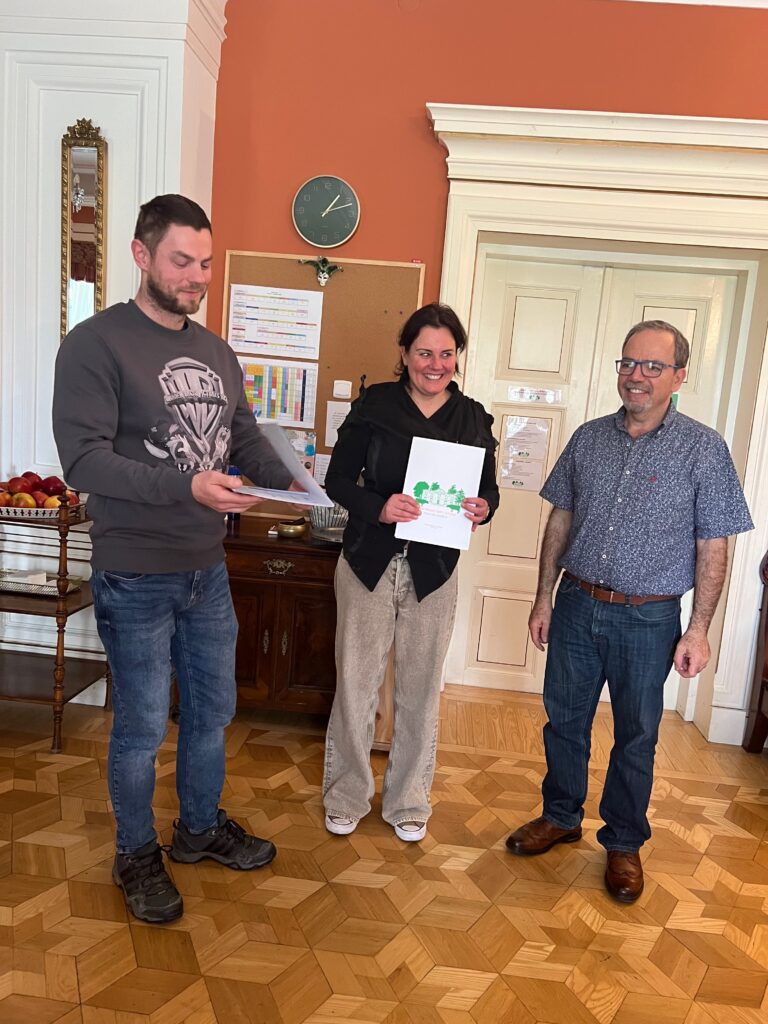
On the final day of the training, participants presented the outcomes of their Study and Work Plans as well as the projects developed from their fieldwork observations. This closing session provided an opportunity to share reflections, draw conclusions, and consider how the acquired knowledge and experience could be implemented in their own schools across different countries. The training concluded with a formal closing ceremony and a communal dinner prepared by the participants.
The workshops led by Eduardo Talamás and Małgosia Tarnowska were a significant component of the Erasmus+ project, strengthening the professional competencies of teachers, deepening their understanding of adolescent development, and supporting the establishment of authentic Erdkinder environments within the partner schools.